
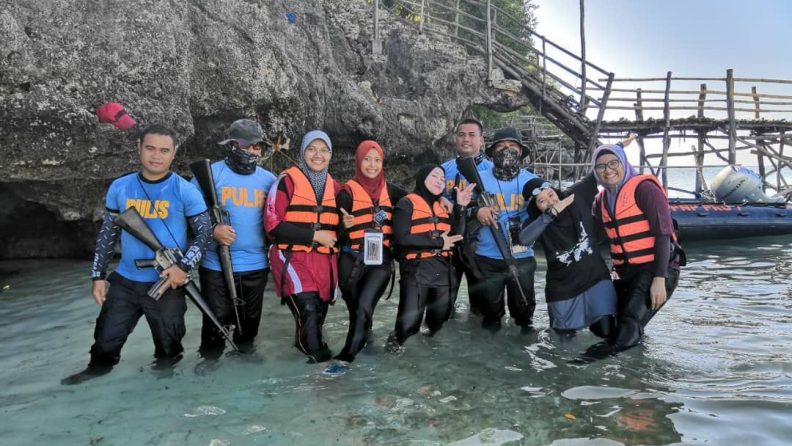
Ask any HR executive in Malaysia what sits at the bottom of their to-do list, and the annual company trip is usually somewhere near it. Not because it is difficult to book a resort. Booking a resort takes twenty minutes.
Introduction
The dread comes from something else entirely: the company trip is one of the few HR deliverables where every single employee has an opinion, the budget is scrutinised line by line, and the outcome is judged publicly by the entire organisation. Get it right and nobody says much. Get it wrong and you will hear about it until next year.
This is a look at what actually goes wrong, and how to structure the planning so it does not land on one person.
How Holiday GoGoGo Takes the Company Trip Off HR’s Plate
HR should not have to project-manage a company trip on top of their actual job. Holiday GoGoGo (https://www.holidaygogogo.com/hrdc-team-building/) handles the full coordination of corporate group travel in Malaysia — from destination shortlisting and accommodation to HRDC grant documentation and certified facilitation — so your team arrives with a proposal HR can actually take to management.
Whether your company is planning a domestic retreat in Janda Baik or Genting Highlands, or an overseas incentive trip, our corporate travel team structures everything around your headcount, budget, and timeline. Before committing to a format, it is also worth reading our guide on the top 5 company trip destinations (https://www.holidaygogogo.com/top-5-company-trip-destinations/) to understand which locations work best for different group sizes and objectives.
It Is Not the Logistics
Transport, rooms and meals are the easy part. Any competent agency handles those. The difficulty sits in the decisions that have no correct answer, and in the fact that HR usually inherits the job without the authority to settle disputes.
The Five Things That Actually Go Wrong
1. Competing Definitions of a Good Time
Your sales team wants a beach and a late bar. Your finance team wants to be back in their room by nine. Your younger staff want activities, your senior staff want rest. There is no single itinerary that satisfies all of this, and pretending otherwise is how a company trip ends up pleasing nobody.
2. The Budget Approval Loop
HR is asked to propose options before the budget is confirmed, then asked to revise everything once it is. Two or three rounds of this and the good dates are gone. Resorts on the east coast and in Sabah fill months ahead for the school holiday windows.
3. Requirements Raised Too Late
Halal catering, dietary restrictions, prayer facilities, mobility needs, and staff who cannot swim. These are all manageable when known early and genuinely disruptive when discovered on arrival.
4. The Claim That Arrives Too Late
More on this below, but the short version is that HRDC grant approval must be secured before the programme runs, not after. Plenty of company trip budgets get quietly halved because someone assumed the claim could be filed retrospectively.
5. Nobody Owns the Decision
The most common failure of all. HR collects preferences, circulates a poll, waits for management input, and ends up with responsibility but no mandate. Someone senior needs to sign off on the format before planning starts.
Where the HRDC Levy Changes the Maths
This is the part most worth understanding, because it can change a company trip from a cost centre into a funded programme.
Under the PSMB Act 2001, employers with ten or more Malaysian employees must register with HRD Corp (https://www.hrdcorp.gov.my/) and contribute a monthly levy of one percent of employee wages. Companies with five to nine employees may register optionally at half a percent. That money sits in a levy account and exists specifically to fund training and development.
A purely recreational company trip does not qualify. A structured team building programme, delivered by an HRD Corp-registered training provider with proper learning outcomes, generally does. The distinction is not the activity itself but how it is designed, facilitated and documented.
Three rules worth committing to memory:
- Grant approval must be obtained before the programme takes place.
- Only HRD Corp-registered training providers are eligible.
- Not every cost in the trip is claimable, so the quotation needs to separate training components from leisure ones.
There is a fair amount of folklore around this. If your team has been told the levy covers everything automatically, it is worth reading through the common misconceptions about HRDC claims (https://www.holidaygogogo.com/lets-talk-hrdc-debunking-common-misconceptions/) before building your budget on that assumption.
A Planning Sequence That Actually Works
Order matters more than effort here. This sequence removes most of the friction:
- Get the format signed off first. Beach, highlands, city or overseas. One decision, made by management, before anything else happens.
- Confirm the budget per head. Including or excluding transport, stated clearly.
- Check your levy balance and timeline. If you intend to claim, this determines your earliest possible dates.
- Collect requirements once, in a single form. Dietary, medical, mobility, room-sharing preferences.
- Shortlist two options, not six. More choice produces more argument, not better outcomes.
- Lock dates before finalising the itinerary. Availability drives everything else.
Agencies that run corporate work regularly will already structure quotations this way. HolidayGoGoGo’s HRDC claimable team building packages (https://www.holidaygogogo.com/team-building-tour-packages/) cover Genting Highlands, Port Dickson, Melaka, Janda Baik and the east coast islands — which are the destinations most Malaysian companies shortlist first for a domestic company trip.
It is also worth understanding the most common reasons HRDC claims get rejected (https://www.holidaygogogo.com/7-factors-why-your-hrdc-claims-are-getting-rejected/) before you finalise your programme structure, so your documentation is clean from the start.
Frequently Asked Questions
1. Can a company trip be fully HRDC claimable?
Not usually in full. The training and facilitation components can qualify, while purely leisure elements typically cannot. Ask your provider to itemise the quotation so you can see exactly which portion is claimable before committing.
2. How far ahead should we book?
Three to four months for domestic destinations, and longer if your dates fall in school holidays or over a long weekend. If you are claiming, add time for the grant approval process on top of that.
3. What group size works best?
Twenty to sixty participants is the range most resorts and facilitators are built around. Below twenty, per-head costs rise. Above sixty, you will usually need to split into parallel activity streams.
4. Do we need a licensed training provider?
Yes, if you intend to claim. Programmes must be delivered by an HRD Corp-registered provider. Agencies that offer HRDF claimable team building typically work alongside registered trainers rather than holding the registration themselves, so confirm who is actually delivering the training.
5. How do we handle staff who do not want to attend?
Make attendance expectations clear when the company trip is announced rather than after. If a programme is claimable, attendance records form part of the documentation, so this needs settling early rather than on the day.
Conclusion
The company trip is rarely difficult because of logistics. It is difficult because one person is asked to reconcile competing expectations, an unconfirmed budget and a compliance process, usually alongside their actual job. Fixing the sequence fixes most of it. Get management to decide the format, confirm the money, then hand the execution to someone who does this every week.
Holiday GoGoGo (https://www.holidaygogogo.com/hrdc-team-building/) handles exactly that — end to end, including grant documentation. Contact the Holiday GoGoGo corporate team today (https://www.holidaygogogo.com/hrdc-team-building/) with your headcount, budget and preferred dates, and we will come back with options you can actually take to management.