Sabang Is a Diving Haven of Clear Waters & Marine Life
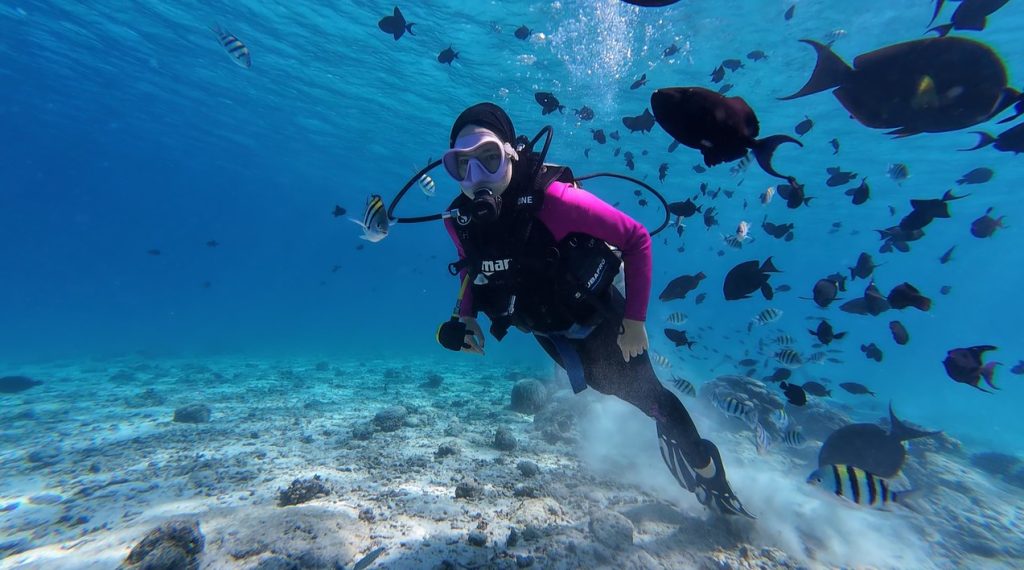
Sabang Island, also known as Pulau Weh, is a hidden gem nestled in Indonesia’s Aceh Province. Located just 15km off the northwest coast of Sumatra, the island is famous for having some of the best snorkelling and diving sites in the Indonesian archipelago.
The island was once part of Sumatra’s mainland and the Aceh mountain range until a volcanic eruption several million years ago caused part of the range to collapse, forming what is now the island. Sabang is also home to an active volcano called Jaboi, and being a volcanic island, there is fascinating presence of geothermal activity beneath the sea. At sites like “Hydrothermal Point”, located at a depth of 9 metres at Gapang Beach, divers and snorkellers can observe underwater fumaroles – vents releasing volcanic gases that warm the water and enrich the surrounding marine life. Culturally, the island is home to a diverse mix of communities, including Batak, Chinese, Minang and Javanese people, each adding to Sabang’s rich cultural tapestry.
How Do I Get There?
There aren’t any direct flights from anywhere to Sabang Island. However, getting there isn’t so difficult:
From Malaysia:
You can depart from either Kuala Lumpur International Airport (1hr 30 mins) or Penang International Airport (1hr 40 mins) to Sultan Iskandar Muda International Airport, Banda Aceh. Airlines that operate this route include AirAsia, Firefly, and Super Air Jet.
From Singapore:
Option 1: Fly from Singapore to Kuala Lumpur, Medan or Jakarta (includes 1 layover), then to Banda Aceh.
Option 2: Take a ferry to Batam, then take a flight from Batam to Banda Aceh. Unfortunately, there aren’t any non-stop flights from Batam to Banda Aceh, so do expect at least 1 layover at either Medan or Jakarta.
The whole journey takes around 5+ hours depending on selected flight and layover duration. Airlines that operate this route include AirAsia, Garuda Indonesia, Batik Air, Super Air Jet, Scoot and Lion Air Indonesia
From anywhere else:
Fly to either Jakarta, Medan or Kuala Lumpur (includes 1 layover), then to Banda Aceh.
Once you’ve reached Banda Aceh:
- Make your way from the airport to Ulee Lheue Port, which is about a 35-minute taxi ride. From there, you’ll have to take a ferry over to Balohan Port, Sabang Island.
- Ferries run several times a day, but schedules can vary due to weather, festive periods, or peak seasons. If possible, do check ferry schedules in advance to confirm. There are two types of ferries heading to the island:
- Express Ferry: Passenger-only, takes around 45 minutes, highly recommended for speed and comfort
- Regular Ferry: Carries passengers, vehicles, and goods, travel time is approximately 1 hour 45 minutes
- Once you’ve arrived at the island port, you can rent a motorbike, private car, or hire a driver to take you to your accommodation or the surrounding points of interest
If you’ve booked through a tour agency, ensure transport to your accommodation or tour spots is arranged in advance. From there, getting around the island is easy as you can rent a motorbike, hire a private car/driver, hop in a tuk-tuk (rickshaw), call a taxi, book a boat transfer or even walk.
Where Can I Stay?
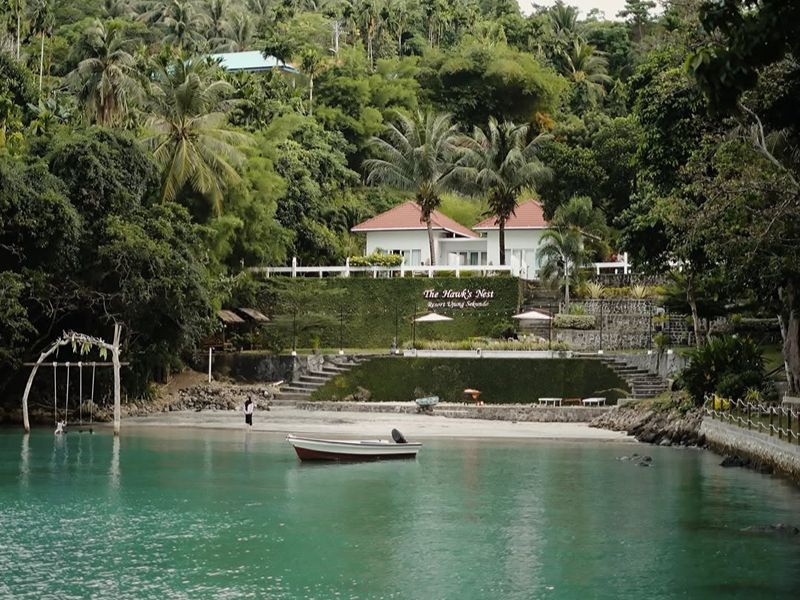
The Hawk’s Nest View. Credit: wahyuabhiraja & thehawksnestresortsabang on Instagram
There are many choices of accommodation available of the island that range from budget to luxury. Choose your accommodation according to your personal preferences and distance from the points of interest you’re interested in visiting to avoid transportation issues. Below is a table of the more popular accommodation choices on the island:
| Area | Accommodation | Highlights |
| Iboih/Rubiah | Pulau Weh Paradise | Beachfront bungalows, sea & mountain views |
| Iboih Inn | Quiet, near Iboih Beach, popular with divers | |
| SeaGate Bungalows | Eco-friendly, family-friendly | |
| SumurTiga Coast | Freddies Santai Sumurtiga | Private beach, snorkeling access |
| Casa Nemo Beach Resort & Spa | Traditional Acehnese design, eco-conscious | |
| Gapang Coast | The Pade Dive Resort | House reef, dive-centric, beachfront |
| Anoi Itam | Anoi Itam Resort | Quieter atmosphere, closer to Balohan Port |
| Sabang Town | The Hawk’s Nest Resort | Ocean‑view villa, private beach, tranquil setting |
| Southern Coast | Yulia Resort | Secluded beach area, garden surroundings |
| Pele’s Place Bungalow | Family-friendly, quaint, relaxed setting |
What’s There To Do?
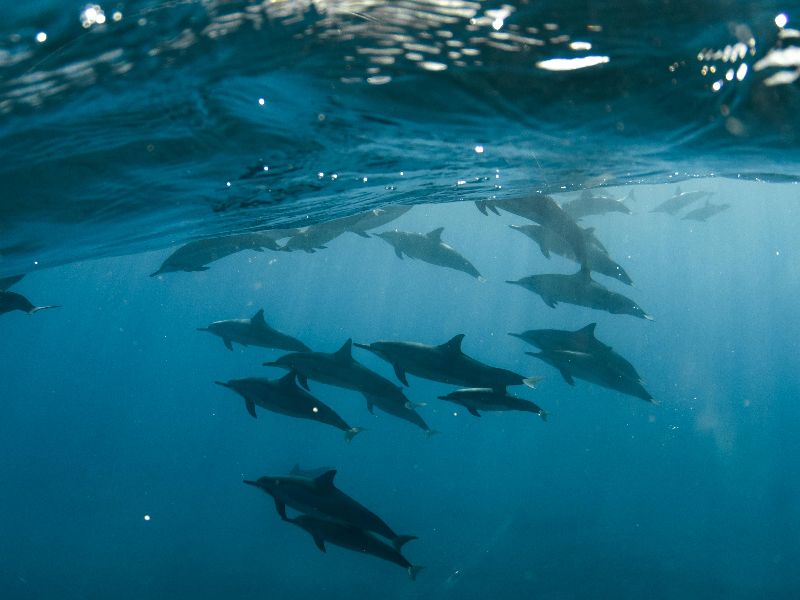
Head on a Dolphin Sighting Tour. Credit: Pexels
The island has a treasure trove of activities depending on your vibe:
Sabang Town
- “I Love Sabang” Monument
An Instagrammable spot featuring red letters spelling out ‘I LOVE SABANG” against the backdrop of the sea.
- Monument Nol (0 KM)
Stands 22.5 metres tall with a circular design and a Garuda statue on top, marking Indonesia’s westernmost point and symbolising national unity.
- Sabang Anoi Itam Japanese Fort
History buffs can explore old World War II bunkers and fortifications from when the Japanese occupied the island.
- Tugu Simpang Garuda
A symbolic landmark representing Indonesian independence and national pride.
- Sabang Fairview
Panoramic viewpoint offering views of Sabang town, the harbour, and the surrounding coastline. Great for sunset watching and photography.
- Paradiso Beach Park
A rocky beachfront area with basic facilities that’s great for families. Stroll along the walkway to see stunning sunset views and explore charming eateries nearby.
- Tebing Emput
Coastal cliffs offering spectacular views of the ocean crashing against rugged rock formations.
- Balohan Hill
Elevated viewpoint near the main ferry port providing 360-degree views of the island and its surroundings.
Natural Wonders & Adventure Spots
- Jaboi Geothermal Spot
This geothermal area features natural hot springs and steam vents, showcasing the island’s active volcanic nature. Let your stress melt away as you swim in warm, mineral-rich waters.
- Sarang Cave Spot View (Wisata Gua Sarang)
Embark on a spelunking adventure through limestone caves with fascinating rock formations. Take a short jungle trek that leads to natural pools for a refreshing dip.
- Dolphin Sighting Tour
Early morning boat trips offer chances to spot dolphins and potentially whales in their natural habitat.
Beach Paradise
- Iboih Beach
One of the most popular beaches on the island, Iboih is lined with charming bungalows perched on the hillside and small shops run by friendly locals. While the beach itself is intimate and small, it serves as the primary gateway to the spectacular Rubiah Island just across the water. As a major international tourist hub, Western-style swimwear is permitted here.
- Gapang Beach
Named after the large Gapang trees that line the beach and provide shade, this beach is the best place for laid-back vibes, as its quieter than the other beaches and the town centre. A great beach for families, as the white sand is soft and warm, and the water is calm and gentle. Various international travellers visit Gapang, so Western-style swimwear is permitted but only within resort areas lining the beach.
- Sumur Tiga Beach
Stretching 2 kilometres along the coast, this beach is one of Sabang’s most popular beaches. It’s an ideal spot for jogging, long walks, snorkelling, swimming, and water sports. Notably, Sumur Tiga is more relaxed than many of the other public beaches, and like Iboih Beach and Gapang Beach, Western-style swimwear is permitted here.
- Anoi Itam Beach
Quieter coastal area closer to Balohan Port. Good option for those wanting to be near ferry arrival/departure points while still enjoying beach access.
- Ujoung Kareung Beach
Peaceful coastal escape with traditional fishing village atmosphere. It’s not as touristy as other spots, offering authentic local experiences.
- Kasih Beach
Secluded spot good for those seeking solitude and unspoiled nature.
- Pasir Putih Beach
True to its name (“White Sand Beach”), this spot features powdery white sand and calm waters. Family-friendly with gentle waves.
- Tapak Gajah Beach
Named “Elephant Footprint Beach” for the interesting rock formations that resemble elephant tracks.
Underwater Experiences
- Sophie Rickmers Shipwreck
A historic German ship that sank during WWII and rests upright on the seabed of the Pria Laot bay. Popular with experienced divers, this wreck is a challenging dive due to depth and obstacles, but rewards divers with history, coral and marine life.
- Batee Takong
Underwater pinnacle rising from the depths, surrounded by large schools of fish and pelagic species.
- Batee Gla
Another dramatic pinnacle dive site known for its steep walls covered in soft corals and gorgonian sea fans.
- Gapang House Reef
Accessible directly from Gapang Beach, this house reef is great for snorkelling and diving. Expect calm conditions and abundant marine life like colourful nudibranchs, large fish, and various crustaceans.
- Rubiah Sea Garden (Taman Laut Rubiah)
This marine conservation park off Iboih Beach is 2,600-hectares and is home to many rare marine species found in Indonesia. It’s a prime spot for snorkelling, scuba diving, swimming, and underwater photography.
- Seulako Island & Klah Island
Smaller islands offering dive and snorkelling sites with excellent visibility and less crowds.
- Hydrothermal Vents
A unique dive site near Gapang Beach where underwater volcanic vents release warm bubbles and gases, creating an otherworldly diving experience.
- Vibrant Marine Life
The waters of Sabang Island contain exceptionally diverse marine life. Snorkellers and divers can expect to see large pelagics and healthy corals: reef sharks, schools of barracudas, groupers, various rays, sea turtles, various eels, clownfish, angelfish, lionfish, parrotfish, frogfish, nudibranchs, seahorses, octopuses, sunfish, whale sharks, dolphins, hard and soft corals, large sea fans and many more. However, on rare occasions, you might spot whales. Though their visits are often influenced by food chain movements.
What’s There To Eat?

Octopus Satay. Credit: Hello Indonesia
Head to the island to enjoy a taste of authentic Acehnese cuisine. It’s often characterised by bold, punchy flavours stemming from generous use of spices, aromatics and coconut milk. One can find homey Indonesian staples, a great selection of seafood (it’s an island after all), and a selection of Western options.
Here are some must-try Acehnese specialities:
Sate Gurita (Octopus Satay) – A signature dish of chewy octopus grilled skewers served with sweet-savoury peanut sauce and ketupat (compressed rice cakes). The octopus is marinated in local spices and grilled over hot coals, giving it a nice char and a fragrant, smoky flavor
Mie Jalak (Jalak Noodles) – Named after its creator, Mr Jalak, this dish features yellow noodles in flavorful fish broth, topped with leeks, bean sprouts, and diced fish meat
Mie Aceh (Aceh Noodles) – Thick yellow noodles in a rich, spicy curry-like sauce loaded with meat (usually beef, goat, or seafood), vegetables, and aromatic spices including cardamom, star anise, and cumin
Mie Pingsun (Pingsun Noodles) – Similar to Jalak noodles but with a distinct preparation style and flavour profile
Kuwah Pliek U – This dish is made from pliek u (fermented, sun-dried coconut pulp), coconut milk, and vegetables like melinjo leaves, young jackfruit, and bamboo shoots. The fermented coconut pulp gives a unique, funky, umami-rich flavour that’s definitely an acquired taste
Ayam Tangkap (Caught Chicken) – Whole chicken pieces marinated with garlic, pepper, salt and ginger, then deep-fried until crispy. It’s then stir-fried with curry leaves, pandan leaves, lemongrass and green chilli, creating a dish that’s crispy on the outside, juicy on the inside, and incredibly flavorful and aromatic
Fresh Grilled Seafood – Whatever was caught that day – red snapper, grouper, squid, prawns, lobster – simply grilled over charcoal and served with steamed white rice, stir-fried morning glory (kangkung), and spicy sambal
Gulai Kambing (Goat Curry) – Tender goat meat slowly simmered in rich, aromatic coconut curry with turmeric, galangal, lemongrass, and a blend of spices. The long cooking time makes the meat fall-off-the-bone tender while the curry develops deep, complex flavours
Nasi Gurih (Fragrant Coconut Rice) – Rice cooked in coconut milk with pandan leaves, lemongrass, and spices, resulting in aromatic, slightly rich rice. Typically served as the base for other dishes or eaten with fried chicken, hard-boiled eggs, and sambal
Kopi Aceh (Aceh Coffee) – Strong, bold coffee from Aceh’s volcanic highlands, often served thick and sweet. The beans are typically dark-roasted, giving the coffee an intense, full-bodied flavour with low acidity. Some cafes serve it traditional Acehnese style – unfiltered with grounds settling at the bottom
Jus Alpukat (Avocado Smoothie) – Fresh avocados blended with sweetened condensed milk, sometimes fresh milk, topped with chocolate syrup. Enjoyed as a thick, sweet dessert or a refreshing beverage on a hot day
Bonus: The majority of the islanders are Muslim, so Halal food is easily available!
How Long To Stay?
It’s advisable to stay at least for 3-4 days to experience all this island has to offer. Check out Holidaygogogo’s itinerary that visits Banda Aceh and most of the notable spots on Sabang Island:
Day 1
- Arrive at Sabang Island
- Sightseeing experience – “I Love Sabang” Park, Sabang Free Port View, Gapang Beach, Goa Sarang (Sarang Cave) and Kilometer Nol (KM 0)
Day 2
- City and coastal experience – Dolphin Spotting Cruise, Snorkeling at Pulau Rubiah, Afternoon city tour, Pantai Sumur Tiga, Pantai Ujong Kareung, Sabang Fair, Sabang City nightlife and coffee shops
Day 3
- Arrive at Banda Aceh
- Historical experience – Tsunami Museum, Baiturrahman Grand Mosque, Tsunami Historical Tour, PLTD Apung Ship Museum, Lhoknga Mosque Tsunami Site and Lhonga Beach
Day 4
- Historical experience – Lampulo Boat on Rooftop, Aceh Museum, Cut Nyak Dien Heritage House, Shopping for souvenirs & local snacks, and Tsunami Mass Grave Memorial
- Depart Indonesia
Good to Know
Weather
The island has a tropical climate, which is hot and humid year-round with occasional showers.
- Best time to visit: April to October
- Best time for diving: April to October
- Best time for snorkelling: April to November. Other months are alright but water may be cloudy if it rains
- Rainy season: September to February. Peak rainy season runs from December to January
- Hot season: May to August
Beach Dress Code
Bikinis and topless sunbathing/swimming are strictly prohibited on public beaches and in other public areas. However, resorts with private beach access or designated tourist beaches may allow more relaxed swimwear guidelines, though nudity remains discouraged.
Alcohol Availability
The sale and consumption of alcohol is prohibited in Aceh under Sharia law. However, some hotels, resorts, and select establishments may discreetly serve alcohol to tourists. While Sharia law primarily applies to the locals, international and non-Muslim visitors are encouraged to remain respectful by consuming alcohol discreetly, ideally within private spaces like resorts or hotel rooms.
Dress Modestly
While Pulau Sabang is more laid-back compared to Banda Aceh, it’s still advisable to dress modestly when out in public spaces. Make sure to avoid clothing that’s too short, tight, or see-through. If you’re planning on visiting religious sites, be sure to bring a shawl to cover your head as a sign of respect.
Cash is King
Make sure to bring enough cash with you as there are a limited number of ATMs on the island, and not every place accepts card or QR payment options.